
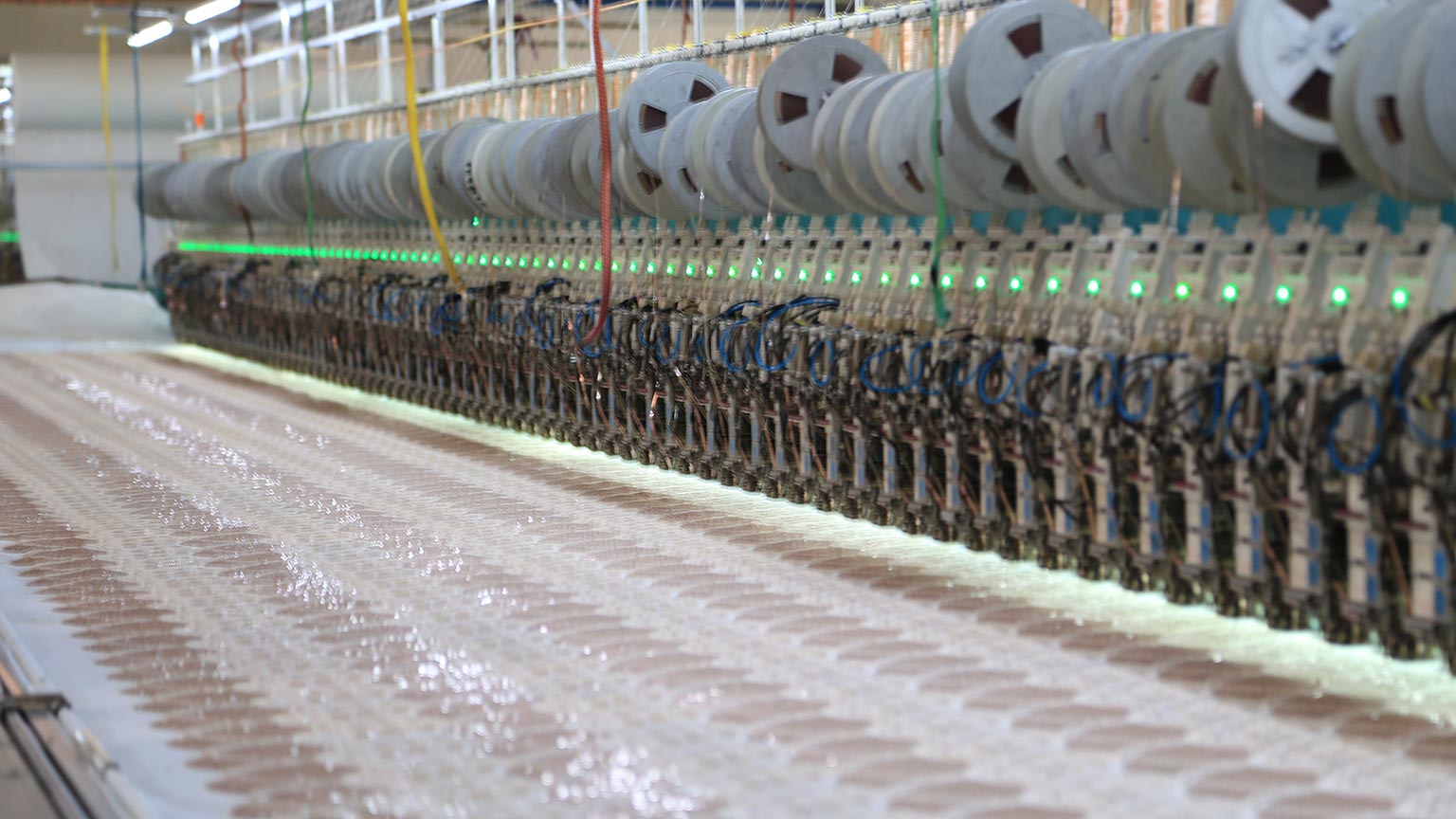
Lace Fabric Manufacturing Process
From approved lace design to stable bulk production
We structure each step around material behavior, machine setup, and production consistency.
So approved designs can move into bulk with less variation.
How production is structured
Our lace fabric manufacturing process is built to move lace and trim designs from development into stable, repeatable bulk output. Each stage helps reduce variation before production begins.
STEP 01
Design Definition
Key specifications are defined before sampling, including base material, structure, width, pattern direction, and intended garment use.
STEP 02
Sampling Review
Samples are developed to test visual effect, structure stability, material behavior, handfeel, and production feasibility.
STEP 03
Production Setup
Materials, threads, machine settings, and production parameters are aligned based on the approved sample.
STEP 04
Bulk Production
Production is carried out under controlled conditions to maintain structure, pattern clarity, and output consistency.
What production depends on
Stable lace production is not only about running machines. It depends on how materials, setup, and output are controlled before and during bulk execution.
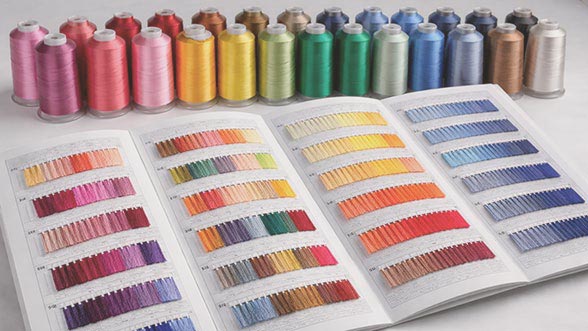
Material Behavior
Base fabric, yarn, embroidery thread, sequins, beads, and finishing behavior all affect how a lace design performs in production.
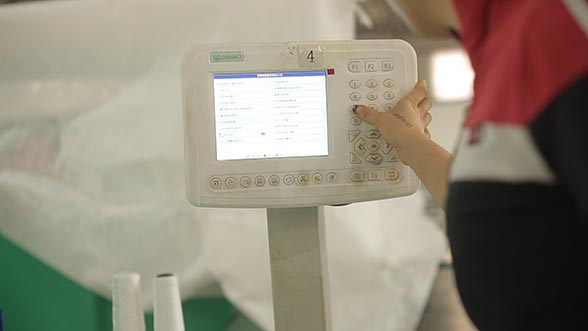
Setup Alignment
Machine setup, stitch density, pattern direction, and production parameters must match the approved sample before bulk output begins.
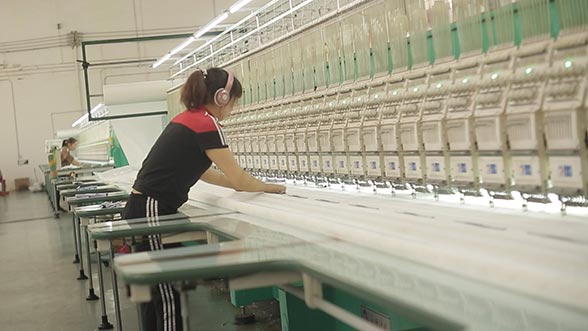
Output Consistency
Bulk production is monitored to reduce variation in structure, pattern clarity, color effect, width, and overall appearance.
Production is only part of consistency
Production defines how lace is made, but consistency depends on how variation is checked and managed during the process. See how our quality control system supports stable bulk output.
Ready to move from sample to production?
Send us your design reference, approved sample, or production requirement, and we’ll help review the next step.