
Lace Fabric Sampling & Bulk Orders
From approved sample to stable bulk production
Sampling helps confirm structure, appearance, material behavior, and production feasibility before moving into bulk.
At WELLLACE, samples are developed as production references, not just presentation pieces.
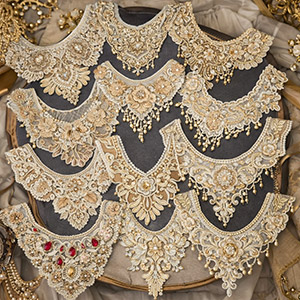
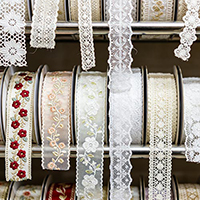
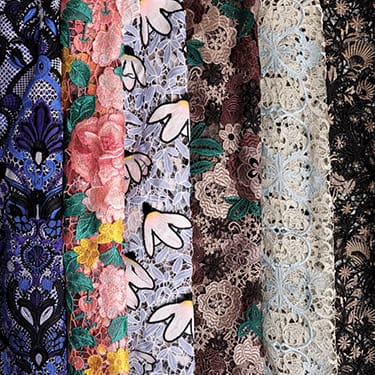
Sampling is where production begins
For lace and embroidery materials, sampling is not only for visual approval. It is used to confirm pattern clarity, structure, material behavior, and production feasibility before bulk production begins.
A well-developed sample helps reduce unnecessary adjustments, shorten communication cycles, and create a clearer reference for production.
What lace fabric sampling confirms
Sampling helps confirm whether a lace design can move from appearance approval into workable production conditions.
Visual & Structural Confirmation
Samples confirm pattern clarity, embroidery density, handfeel, base material behavior, and overall structure.
Production Feasibility
Sampling checks whether the design can be produced consistently under real production conditions, not only as a display sample.
Bulk Reference Standard
The approved sample becomes the reference for color, structure, pattern direction, finishing, and bulk production alignment.
Sampling helps with:
- Design confirmation
- Technical adjustment
- Material behavior review
- Production alignment
Bulk Orders
Bulk production begins after sample confirmation, specification alignment, and order details are clearly defined.
Approved Direction
Production follows the approved sample, including pattern, structure, base material, embroidery effect, and finishing direction.
Aligned Specifications
Quantity, colorway, width, packing, lead time, and inspection reference are confirmed before production starts.
Controlled Output
Bulk production is managed against the approved sample and confirmed specifications to reduce avoidable variation.
From sample to bulk — one continuous path
Sampling and bulk production are not separate conversations. When sampling is aligned with production from the beginning, the transition into bulk becomes more stable and predictable.
This helps reduce rework, shorten communication cycles, and improve overall production efficiency.
Frequently Asked Questions
Is sampling required before bulk production?
For custom designs, sampling is strongly recommended. It helps confirm structure, appearance, and production feasibility before bulk production.
How long does sampling take?
Sampling time depends on design complexity, material readiness, and adjustment requirements. We will provide a timeline after reviewing your request.
Can samples be adjusted before production?
Yes. Adjustments can be made after reviewing the sample so the design, material behavior, and production setup can be better aligned.
Will bulk production match the sample exactly?
Bulk production follows the approved sample as the main reference. Consistency is controlled through defined specifications and production management, though minor process variation may occur.
What happens after the sample is approved?
Once confirmed, we align final specifications, quantity, timeline, packing, and production reference before moving into bulk.
Sampling & Bulk Planning
Ready to move from sample to bulk?
Send us your design reference, approved sample, or bulk requirement. We’ll help review the next step toward production.